Hello there!
My name is
Lai GUI
I recently graduated from the Master in Physics at EPFL and am working as a Research Assistant at ETH Zürich. I develop methods to extract rare particle decay signals from billion-scale background for CERN's collider experiments, advancing our understanding of the fundamental structure of the universe.
What is High Energy Physics
It is the study of matter and forces at their most fundamental level.
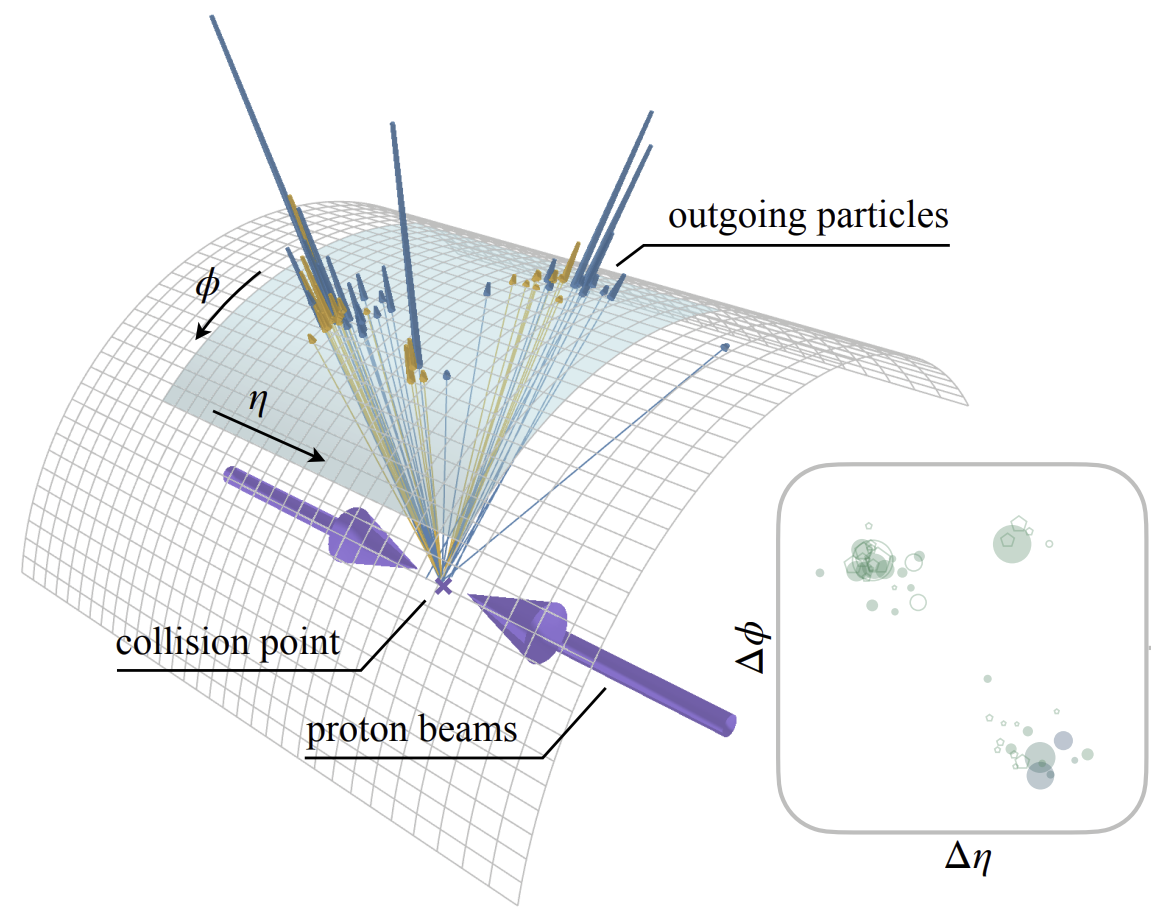
At CERN in Geneva, the world's largest High Energy Physics research institute, we smash protons together at nearly the speed of light. Under the immense energy of these impacts, the internal structure of the proton is completely destroyed, creating the particle remnants that fly out from the collision point along distinct trajectories; by studying these paths, we can reverse-engineer subatomic structures and discover the laws that bind them together.
The collider processes 40 million proton collisions every single second, therefore our role demands not only designing a stable experimental facility to withstand a highly irradiated environment, but also deploying advanced data analysis techniques to isolate incredibly rare subatomic signals hidden within a highly chaotic background.
Education
Institute for Particle Physics and Astrophysics
Averaged result: 5.43/6.00
Averaged result: 77.88%. First Class Honours Degree.
ATAR 99.85 (top 0.15% percentile)
Research
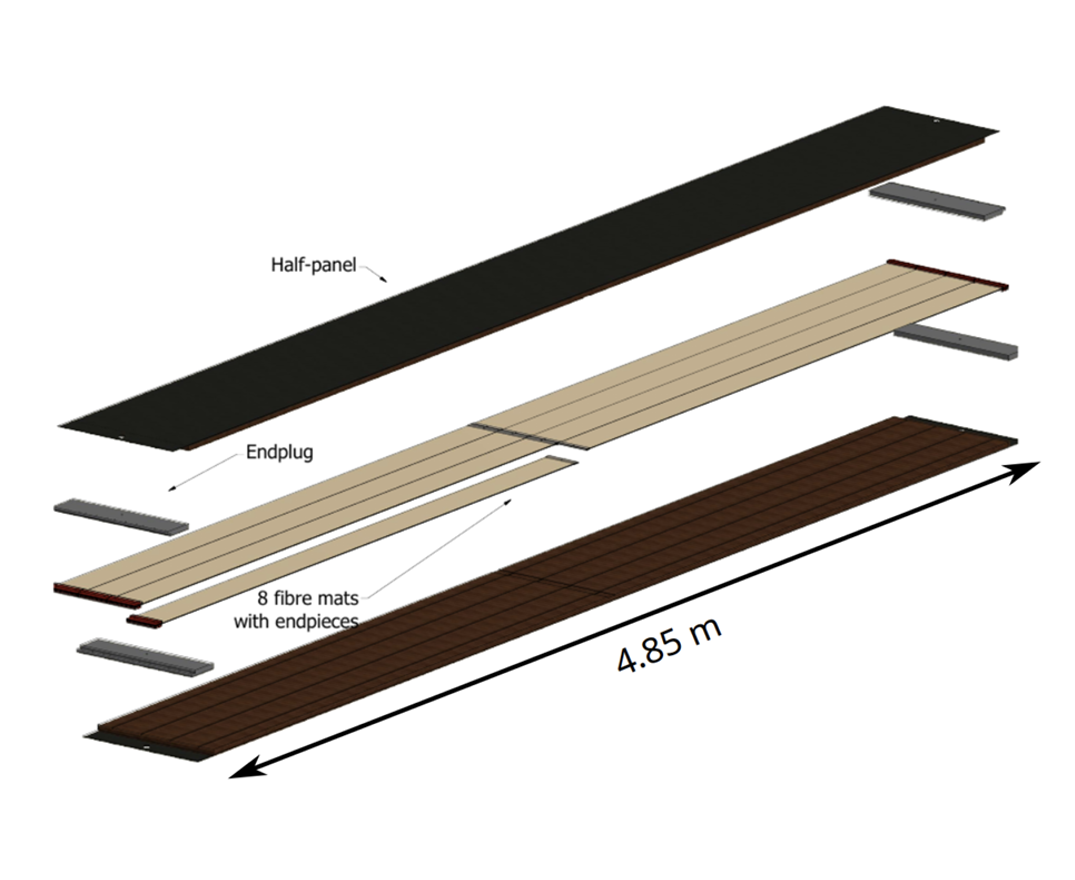
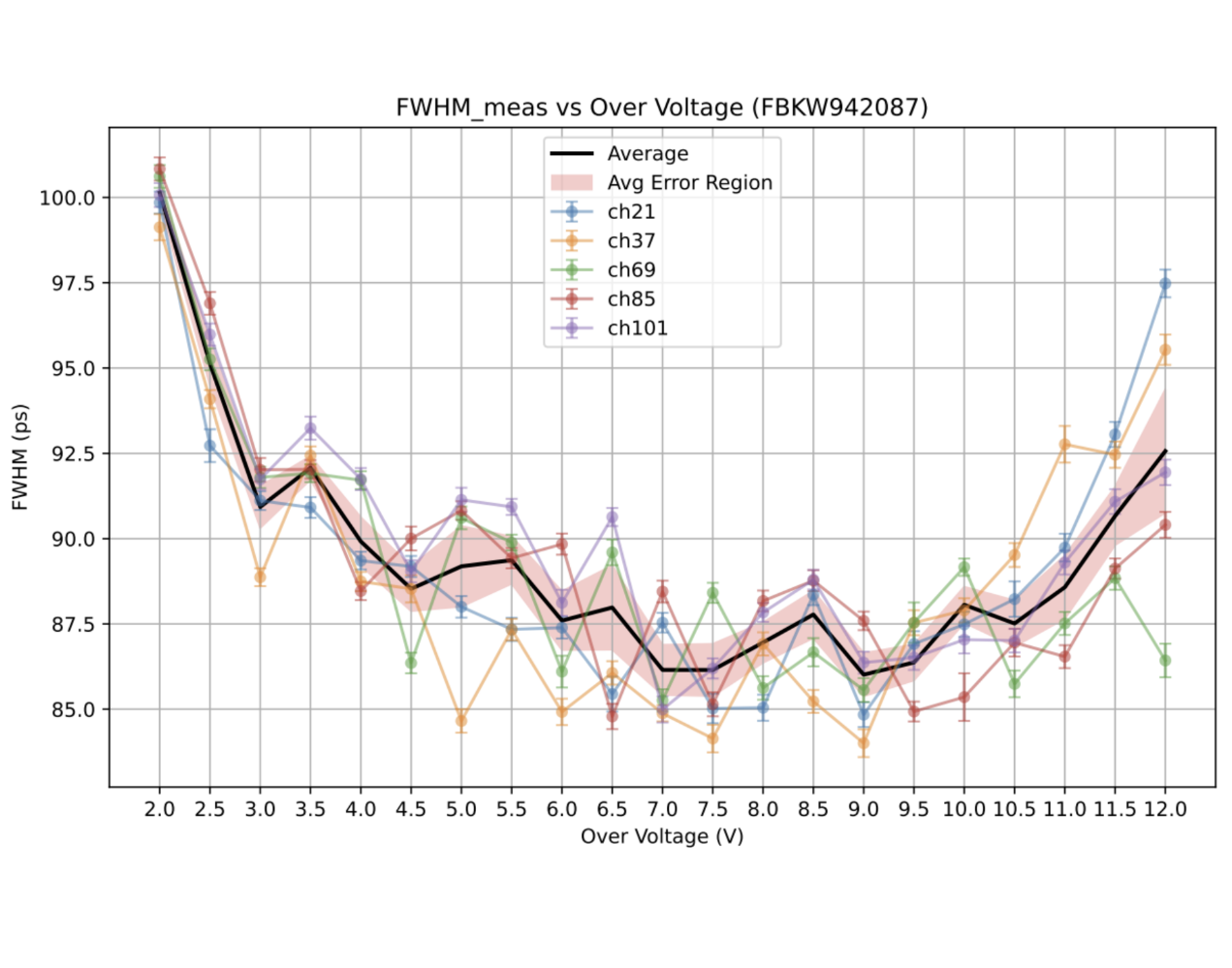
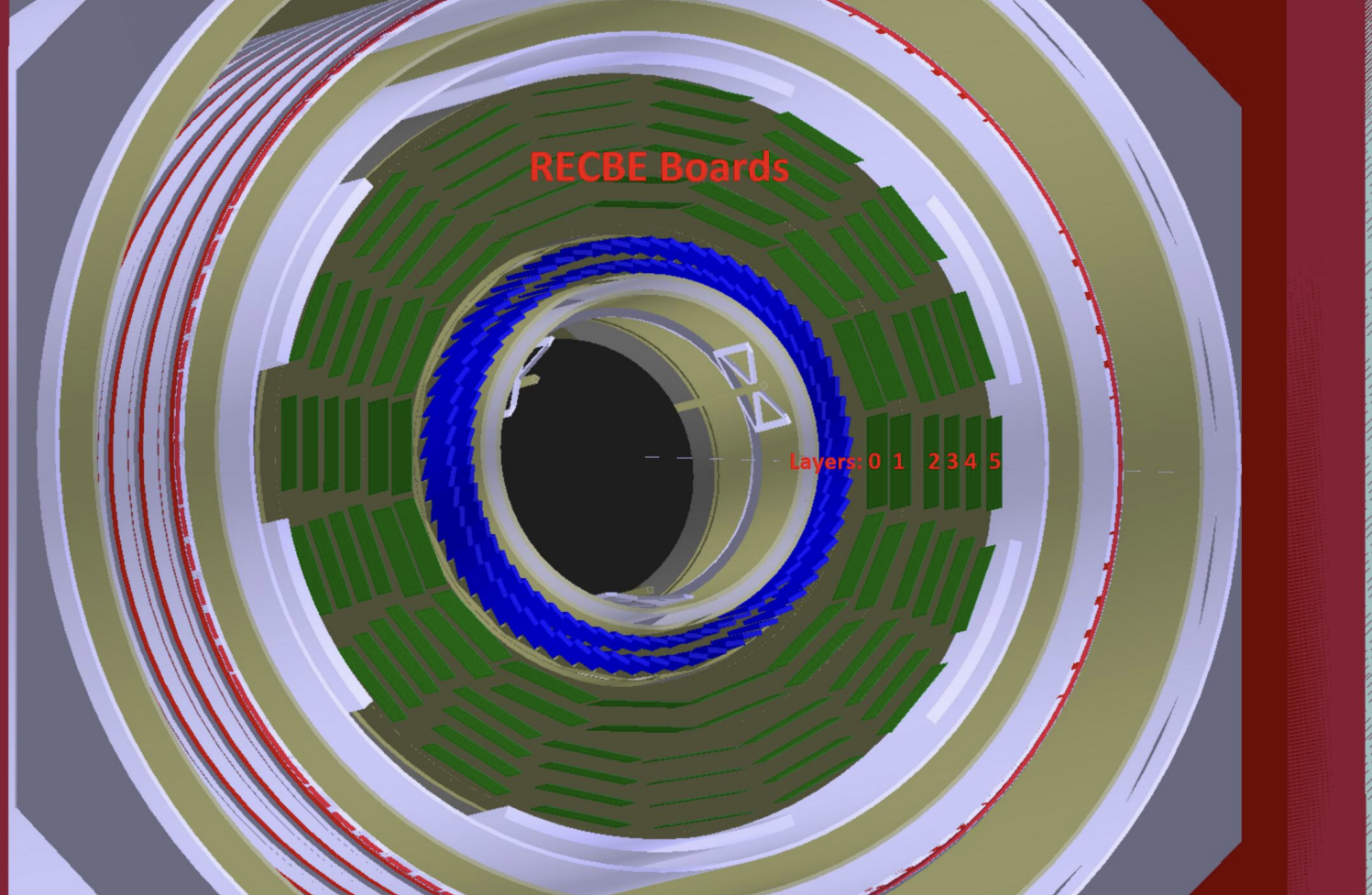
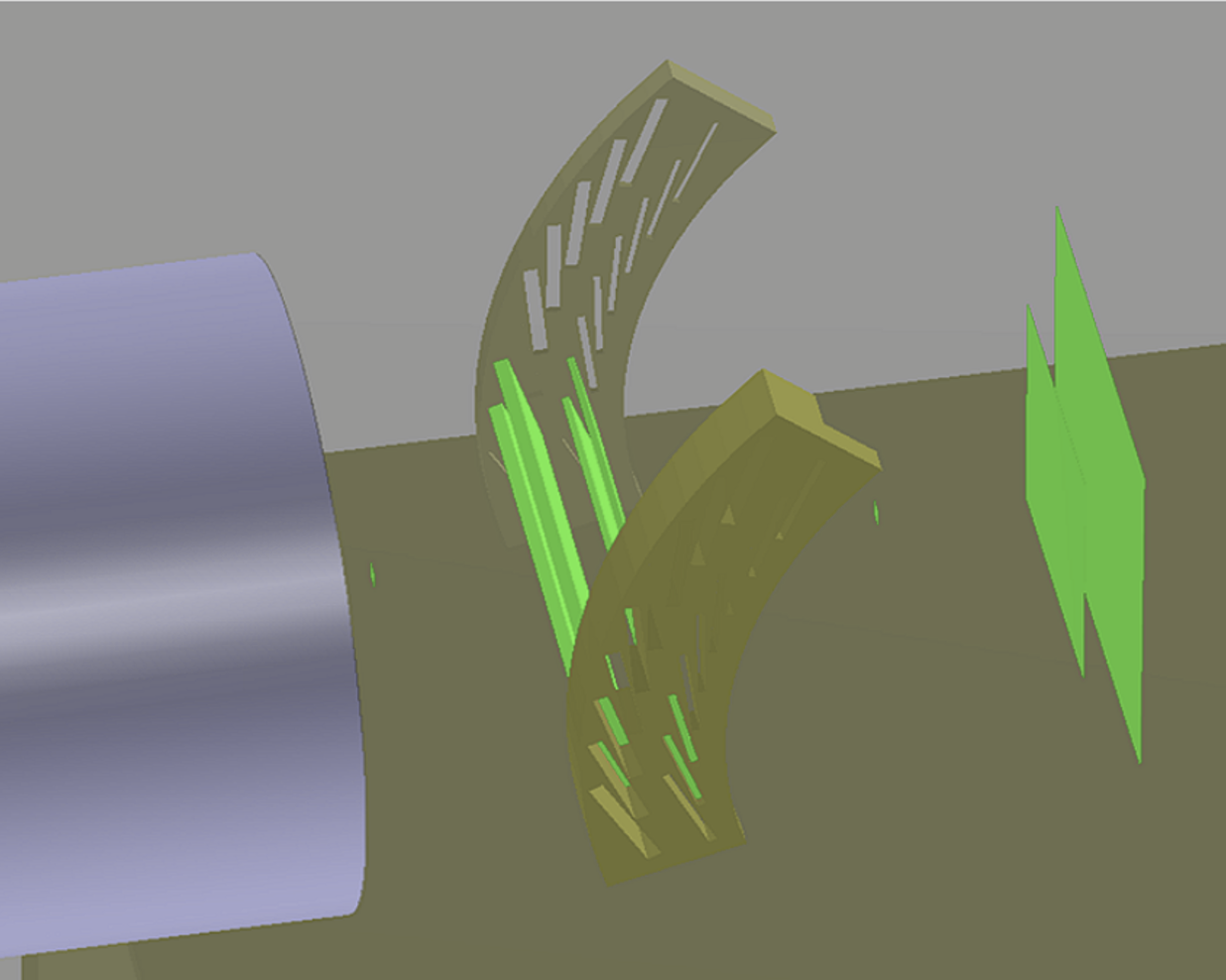
From collisions to discovery
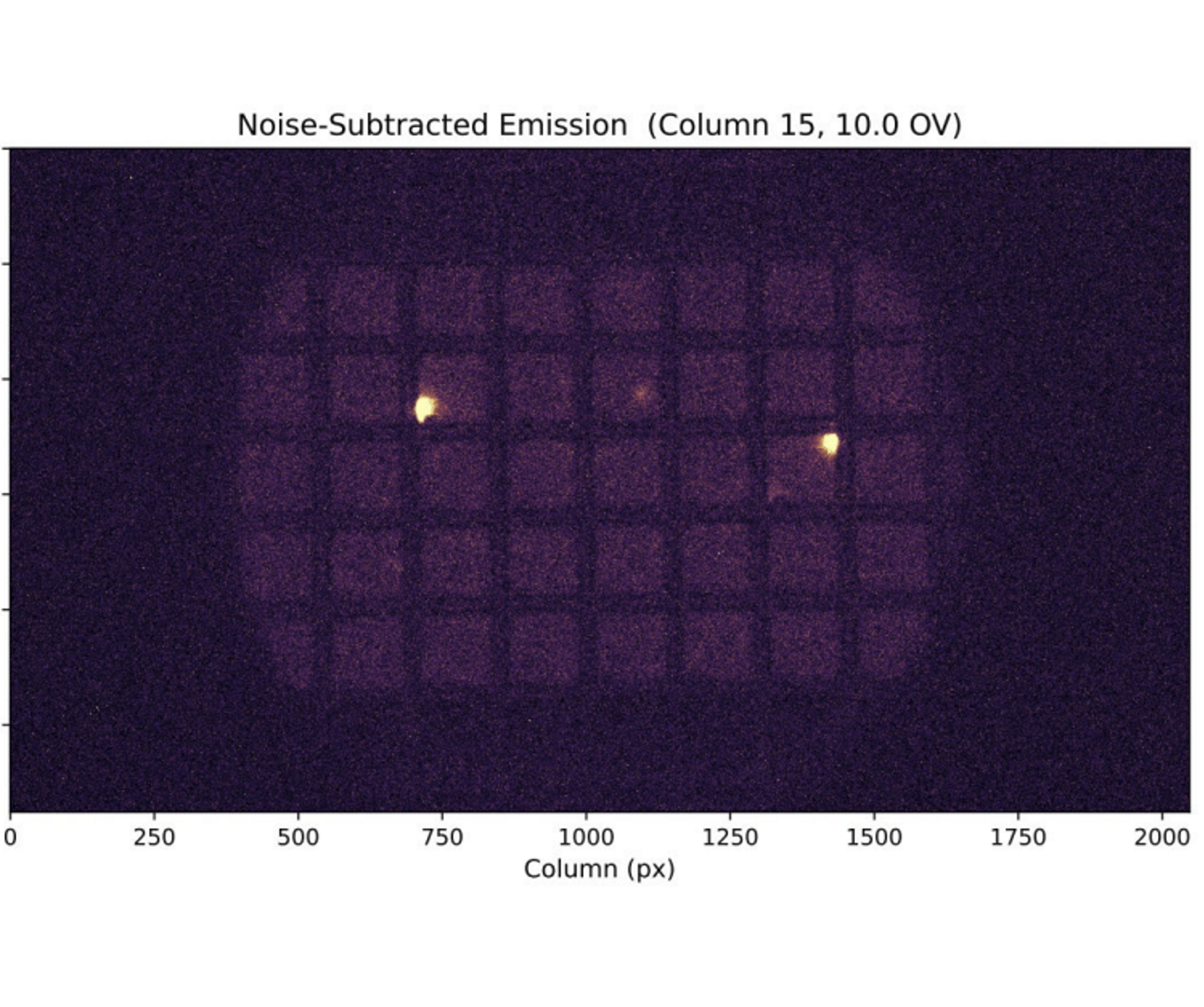
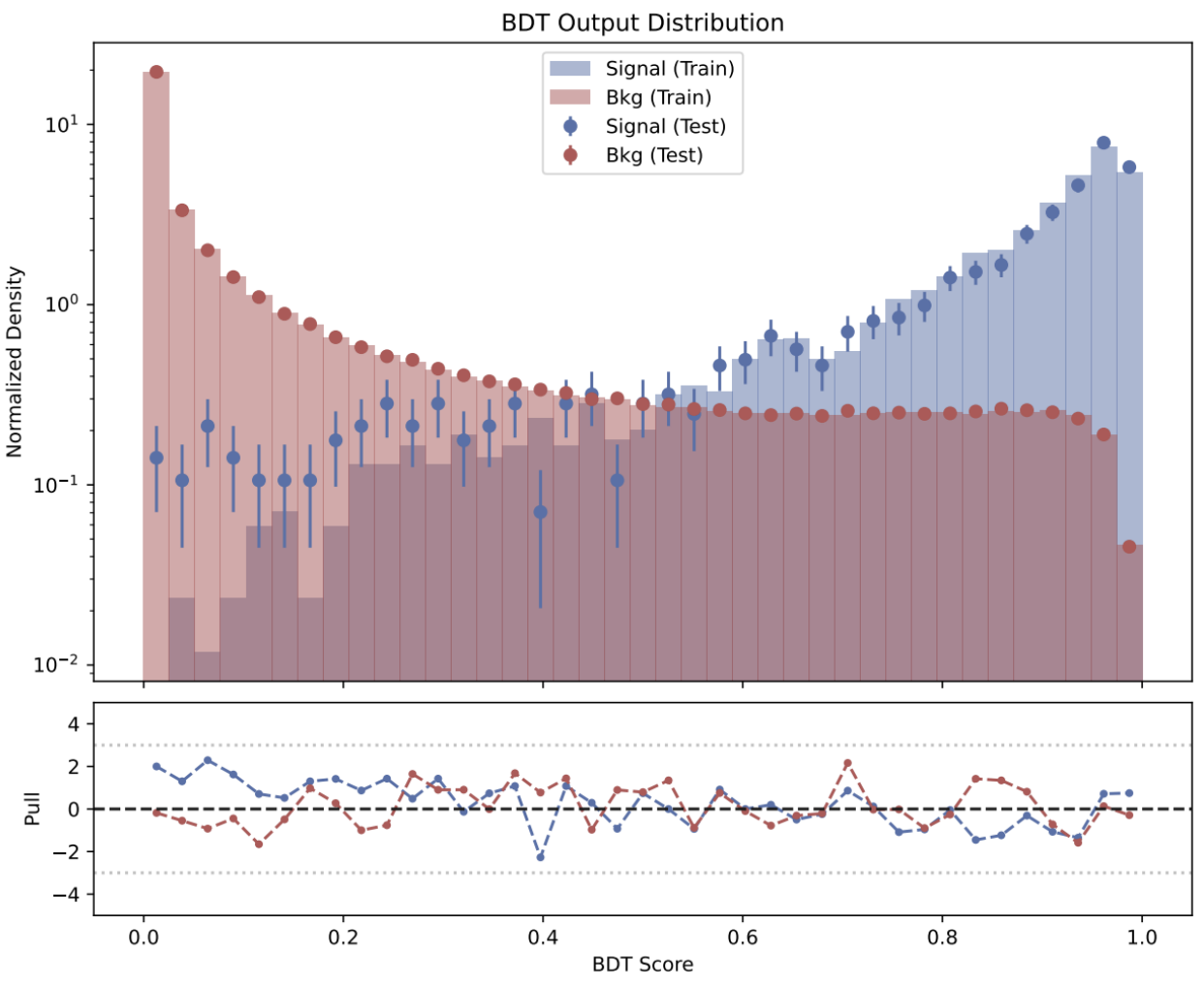
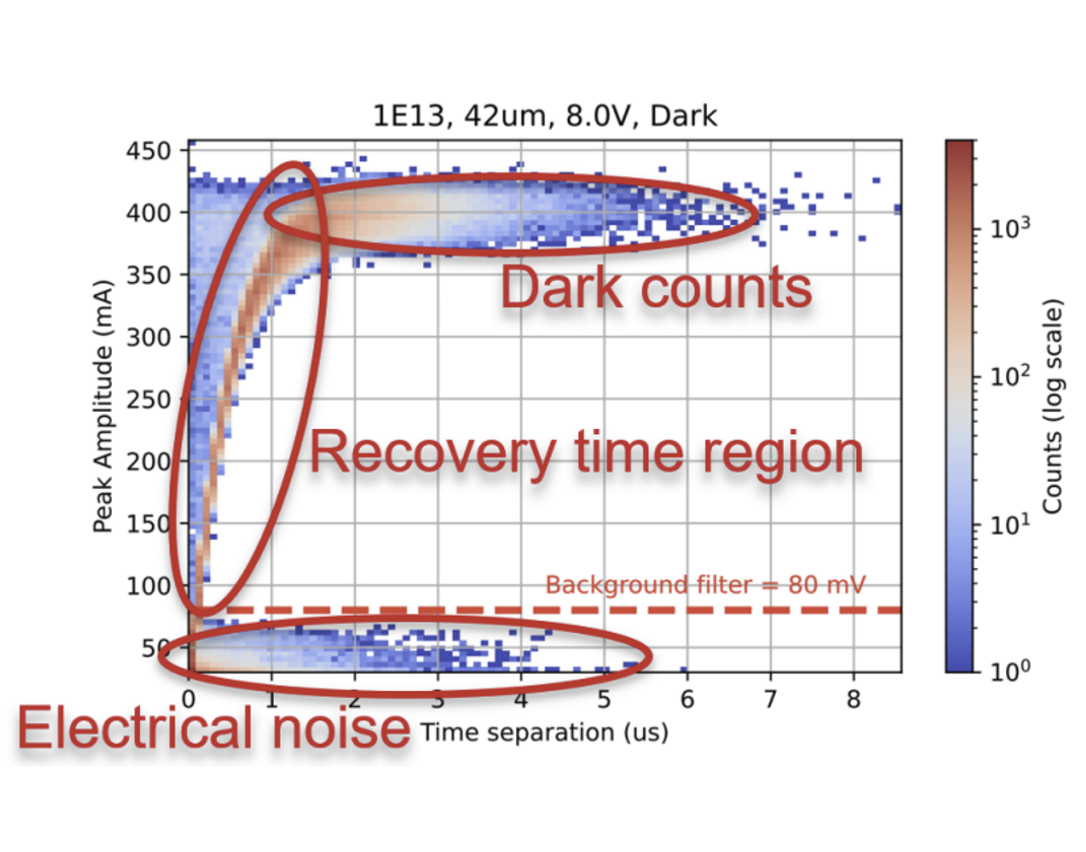
A discovery in high energy physics is a statistics problem before it is anything else. The particle decay event we care about may appear in barely one out of several billion. To find it, we reconstruct the particle tracks, carefully select the signal-like events, and fit the kinematic variables that should highlight a signal.
Nowadays, the hand-tuned selection cuts are reaching their limit in modern collider experiments. The unprecedentedly complex detector designs produce data that is too high-dimensional, therefore deep learning neural networks (e.g. transformers) now correlate the subtle connections across dozens of variables at once. The challenges are real: models are trained on imperfect simulation, and yet to be interpretable enough that a collaboration will trust a result built on them. Getting that trade-off right is one of the defining problems of physics analysis today, and the part I most want to work on.
Global by design
I have lived and worked across five countries on three continents: China, Australia, Japan, the United Kingdom, and now Switzerland. Conducting internships and research projects within diverse international collaborations across different nations trained me to navigate language and cultural barriers while working effectively under high-demand conditions.
Beyond the lab
Ski & Snowboard Instructor
École Suisse de Ski, Villars, Switzerland →- Delivered 182.5 hours of private ski and snowboard lessons to English- and Mandarin-speaking clients over the 25–26 winter season.
- Tailored lesson content dynamically based on clients' age, fitness, and technical proficiency to ensure safe and high-quality skill development.
- Supported resort operations by managing guest relations, providing navigation assistance, and administering emergency help during on-slope accidents.


Student Mountain Guide
Crazy Hikers Hiking Club, Switzerland →- Planned hiking routes across challenging Swiss alpine terrain, rigorously assessed real-time weather data, topographical maps, and terrain hazards.
- Educated novice hikers on technical equipment selection, weather forecasting, and mountain navigation to ensure autonomous and safe route execution.
- Co-led alpine excursions for groups of 10 to 30 participants, dynamically adapted route decisions based on group capabilities.


President · Kendo Club
Imperial College Kendo Club, UK →- Represented the club by liaising with the Imperial College Union, actively collaborating with the Management Board Group on strategic initiatives.
- Chaired weekly committee meetings to drive alignment, streamline internal communications, and facilitate seamless cross-functional collaboration.
- Managed operations and logistics for weekly training sessions serving 30+ participants, while overseeing budget and travel arrangements for national tournaments.


And many more ...


Built to work with people, not just problems
Physics teaches me to sit with hard problems alone, but the experiences above — coaching on a slope, leading on a mountain, coordinating a club — trained something different: the ability to read a room, adapt a message, and move with a group rather than ahead of it.
Clarity under pressure. Trust earned through accountability. The habit of explaining things until they actually land. That is what I bring to a team: not just analytical rigour, but the interpersonal range to boost the efficiency of the entire group. I have learned that the best ideas go nowhere without communication, and the best teams are built on more than shared technical objective.